
An Afro-Cuban Shaker and Its Caribbean Variants
When we think of Afro-Cuban percussion, instruments like the conga, bongó, and maracas immediately come to mind. But there’s another family of instruments that deserves closer attention: the maruga, also known as the chachá in eastern Cuba. This metallic shaker represents a fascinating case study in how African musical traditions adapted to New World materials and contexts.
What is a Maruga?
The term maruga in Cuba is wonderfully elastic, applied to various rattling instruments that share a common feature: a metal body with a handle, designed to be shaken. Unlike the gourd-based maraca, the maruga is distinctly metallic, typically made from tin or copper, with small objects inside that create percussion when the instrument is agitated.
Interestingly, in Cuban Spanish, maruga is also an adjective meaning “useless” or “despicable”—and in modern slang, “bad debtor.” This curious dual meaning hints at the instrument’s humble, folk origins, even as it plays vital roles in sacred and secular music alike.
Morphological Diversity
What makes the maruga particularly intriguing is its remarkable variety of forms. Fernando Ortiz, in his comprehensive study La Maruga, documents several distinct types:
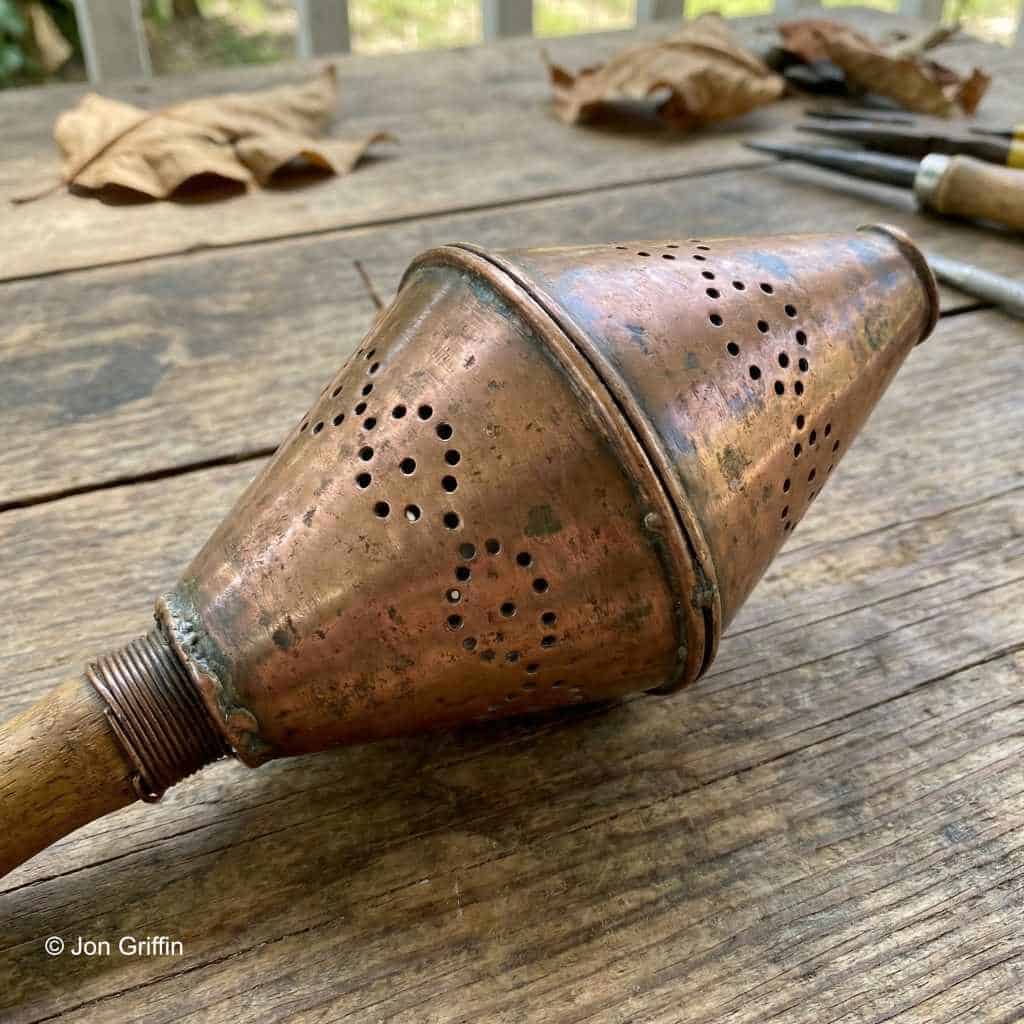
The Biconical Form: Perhaps the most common type consists of two hollow cones welded at their bases, with perforations creating decorative patterns. The handle emerges from one truncated end. This design can appear with complete cones or truncated ones, creating subtle variations in sound and appearance.
The Horizontal Configuration: In another variant, the handle emerges from the union point of the cones, which are positioned horizontally, perpendicular to the handle. This type, standing about 30 centimeters tall, holds special religious significance. Among Lucumí practitioners, it’s dedicated to Yemayá and called acheré. The Arará people call it assongüé and use it extensively in their worship of Ebioso (syncretized with Santa Barbara), calling it anama joki—literally “call to Ebioso.”
The Chachá of Eastern Cuba: In Santiago de Cuba, Guantánamo, and surrounding areas, where tumba francesa (French drum) traditions remain strong, metal marugas are central to the music under the name chachá. These instruments are often festooned with multicolored ribbons and shaken overhead during performances, creating both visual and sonic spectacle.
The Cylindrical Type: Another common form features a cylindrical body with flat caps at both ends and a handle inserted at the center of its length. This design, clearly influenced by Haitian traditions, shows the cross-pollination of musical cultures throughout the Caribbean.
Transnational Connections
The maruga’s story extends far beyond Cuba. In Haiti, the term chachá specifically refers to what Cubans call the maraca, while tchanchá designates the ribbon-adorned metallic shaker used by the tchatchá (female choir director) in recreational dances. This linguistic overlap reveals the complex web of cultural exchange throughout the Caribbean.
In Martinique, chacha refers to a cylindrical metal box containing small stones. A particularly fascinating example Ortiz observed in 1920s Paris, at the cabaret Le Bal Colonial, featured a half-meter-long tin cylinder with multiple perforations and two handles, played by a musician holding it with both hands. This instrument replaced the paired maracas typical of Cuban ensembles, though Ortiz notes it offered less rhythmic complexity than two independent maracas—or even a single one, given the maraca’s capacity for quicker movement.
Brazilian Cousins: The Chocalho Family
Brazil’s contribution to this instrument family is particularly rich. The generic term chocalho encompasses multiple forms, with regional variations called xexeré, adjá, ganzá, canzá, caracaxá, xeque, and xeque-xeque. The Brazilian musicologist Oneyda Alvarenga identified at least four distinct metallic chocalho forms, ranging from double cones with narrow handles to iron spheres and elaborate vessels with vibrating plates attached.
One especially interesting Brazilian variant is the pernanguma or prananguna: a large, flattened round tin about 30 centimeters in diameter, filled with lead shot or pellets, with two handles. Skilled players could extract a remarkable range of sounds—soft squeals, violent strikes, gentle taps—by manipulating how the pellets moved inside.
Sacred and Secular Contexts
What strikes me most about the maruga is how it bridges sacred and secular spheres. In Yoruba-derived traditions, marugas adorned with beads and blue ribbons serve as ritual acherés for the goddess Yemayá. These ceremonial versions sacrifice acoustic power for symbolic meaning—their sound is deliberately muted, barely audible, yet their presence in liturgical contexts remains essential.
Contrast this with the exuberant chachá of the tumba francesa ensembles, where volume and rhythmic drive take precedence. The same basic technology serves radically different musical and social functions depending on context, decoration, and performance practice.
Material Culture and Sound
The choice of metal matters. Ortiz notes that tin marugas, common though they are, tend to rust quickly from hand sweat and produce a harsher sound. Copper versions remain polished, gleam beautifully, and offer superior tone quality. Paint diminishes the sound. Bead coverings nearly eliminate it. Each material choice represents a negotiation between aesthetic, spiritual, and sonic priorities.
The Batón: A Unique Hybrid
One particularly striking variant deserves special mention: the batón used by the mayora de plaza (literally “town square elder”) in eastern Cuban traditions. This instrument combines a large biconical maruga at the top of a meter-long tin staff, supported by metal framework. Originally, it may have functioned as a “drone maruga,” with the staff struck on the ground while the maruga sounded above. Today it serves primarily to mark fundamental rhythm—like a conductor’s baton—while other chachás execute the complex filling patterns (remplissage) characteristic of African-derived music. The batón is indispensable for the babulé dance.
Conclusion: Metallization as Adaptation
The maruga exemplifies what we might call creative metallization—the transformation of African gourd-based instruments into New World metal equivalents. This wasn’t mere substitution but genuine innovation. Tinsmiths and craftspeople developed new forms, adapted religious and social functions, and created instruments that could range from whisper-quiet ritual objects to thunderously loud dance accompaniment.
As we face the potential loss of traditional gourd instruments to mass-produced imports—a concern Ortiz raised almost 70 years ago—the maruga reminds us that musical traditions have always adapted their material culture while preserving essential rhythmic and spiritual functions. The maruga isn’t a degraded substitute for “authentic” African instruments but rather evidence of African musical intelligence creatively engaging with new environments and materials.
Next time you hear Afro-Cuban music, listen for that metallic shimmer cutting through the drums and voices. That’s the maruga—humble, versatile, and carrying centuries of Atlantic world cultural exchange in every shake.
For readers interested in deeper exploration, Fernando Ortiz’s comprehensive study “La Maruga” (part of his multi-volume “Los Instrumentos de la Música Afrocubana”) remains the definitive source on these instruments, documenting their construction, regional variations, and cultural contexts with unmatched detail.
Related Music Styles
Revision History
01/26/2026 – Initial Version